eCommerce Mobile App vs Website: Which Should You Build First?
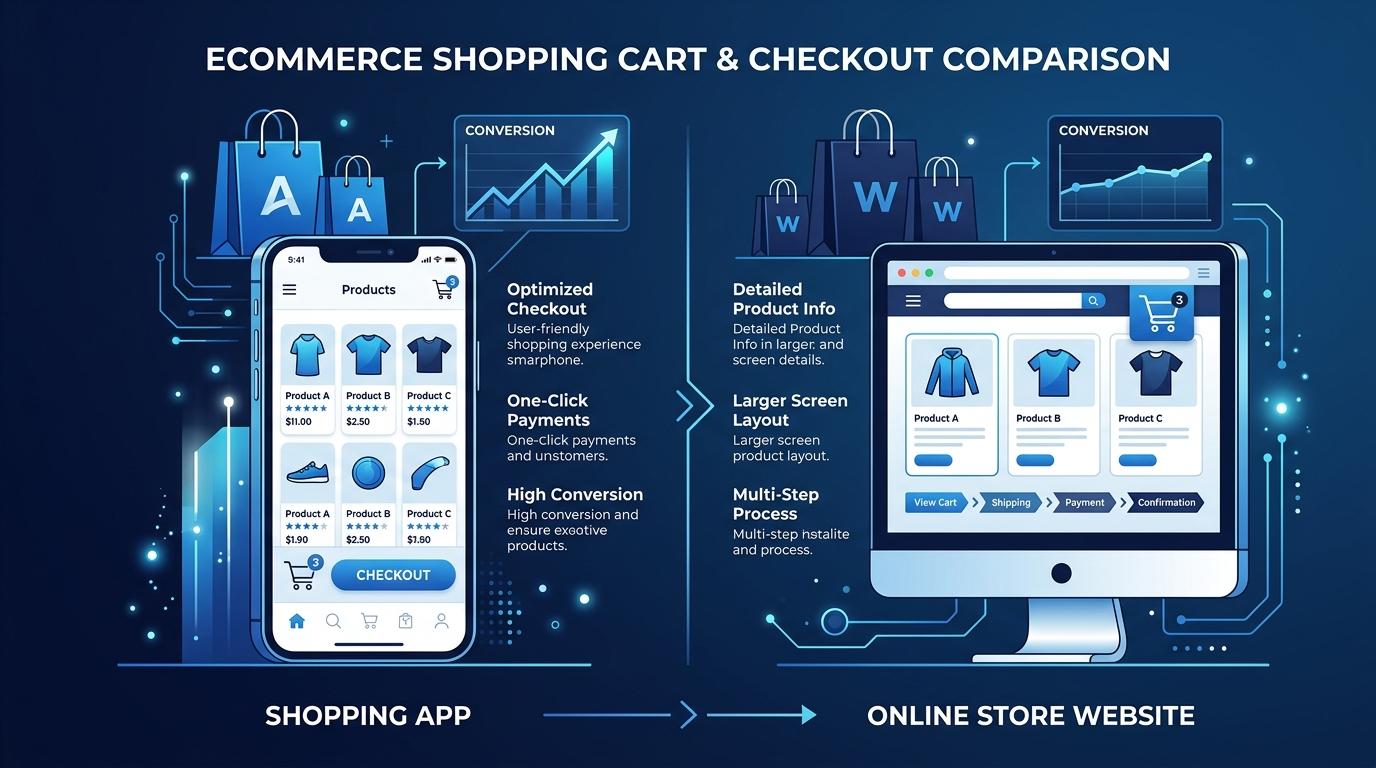
The Great eCommerce Dilemma: Mobile App or Online Store Website?
For modern direct-to-consumer (D2C) brands, retailers, and marketplace founders, choosing where to allocate engineering capital is critical. Launching a high-converting responsive web store and a dedicated mobile app simultaneously can stretch budgets and split marketing focus.
So which should you build first? Let's examine the data, customer behavior, and cost realities.
The Case for Building an eCommerce Website First
- Frictionless Discovery & SEO: Websites are universally indexed by Google and Bing. Customers searching for products can land on your product page in one click without downloading an app.
- Lower Customer Acquisition Cost (CAC): Running Google Shopping, Meta ads, and organic SEO directly to web product pages offers the lowest initial customer acquisition barrier.
- Universal Compatibility: A responsive website works instantly across Mac, Windows, iOS, and Android without app store review delays or 15-30% platform store commissions.
The Case for Building an eCommerce Mobile App
- 3x Higher Conversion Rates: Industry benchmarks demonstrate that mobile apps convert at 3.7% on average, compared to 1.3% for mobile websites.
- Zero Cost Re-Engagement via Push Notifications: You don't have to pay SMS marketing bills or pray that marketing emails dodge the spam folder; push notifications land instantly on the customer's lock screen.
- Higher Average Order Value (AOV): App users browse 4.2x more products per session and spend approximately 15% more per transaction due to fluid UX.
Comparison Summary
| Dimension | eCommerce Website | Mobile Shopping App |
|---|---|---|
| Primary Superpower | Customer Acquisition & Discovery | Retention, Loyalty & Conversion |
| Download Barrier | None (Instant access) | Requires App Store install |
| Checkout Speed | Moderate | Instant (Biometric + Apple/Google Pay) |
| Development Cost | $1,000 – $4,500 USD | $3,500 – $12,000 USD |
The Recommended 2026 Strategy: Hybrid Rollout
For most brands, the winning playbook is clear:
- Phase 1: Launch a ultra-fast Next.js / headless eCommerce web store to capture search traffic and validate your product-market fit.
- Phase 2: Once you reach steady repeat customer volume, launch a companion React Native mobile app to lock in your top 20% most profitable customers.
Explore our transparent web and mobile packages on the WebArkTec Pricing Page or speak to our consultants on the Contact Page.

WebArkTec Engineering Architecture Team
Technical EditorialWritten by senior cloud architects and mobile engineering leads at WebArkTec. With 10+ years delivering mission-critical applications across the UK, USA, France, Germany, and Norway, our team focuses on high-performance Next.js, React Native, and cost-effective digital engineering.
Related Guides & Insights
Deepen your technical knowledge with expert engineering articles.
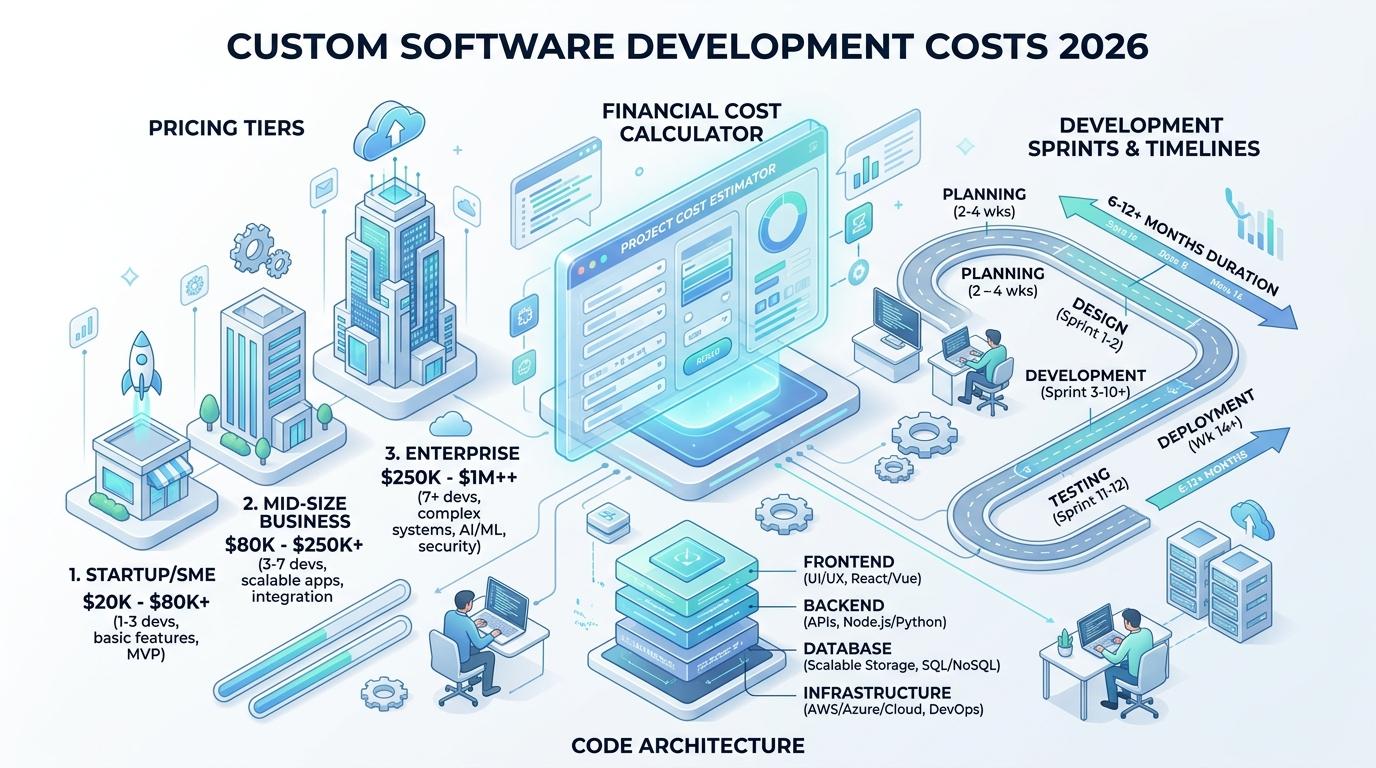
How Much Does Custom Software Development Cost in 2026?
A complete, honest guide to custom software development pricing in 2026. Breakdown by project tiers, hourly rates, fixed-price models, and hidden costs to avoid.
Top 10 Signs Your Business Needs a Mobile App
Are you losing customers to mobile-first competitors? Here are 10 clear indicators that your business has outgrown a responsive website and needs a dedicated mobile app.
How to Hire a Custom Software Developer in the USA
A comprehensive guide for US companies looking to hire custom software developers or agency partners. Vetting technical skills, contract structures, IP protection, and rate comparisons.
