How Much Does Custom Software Development Cost in 2026?
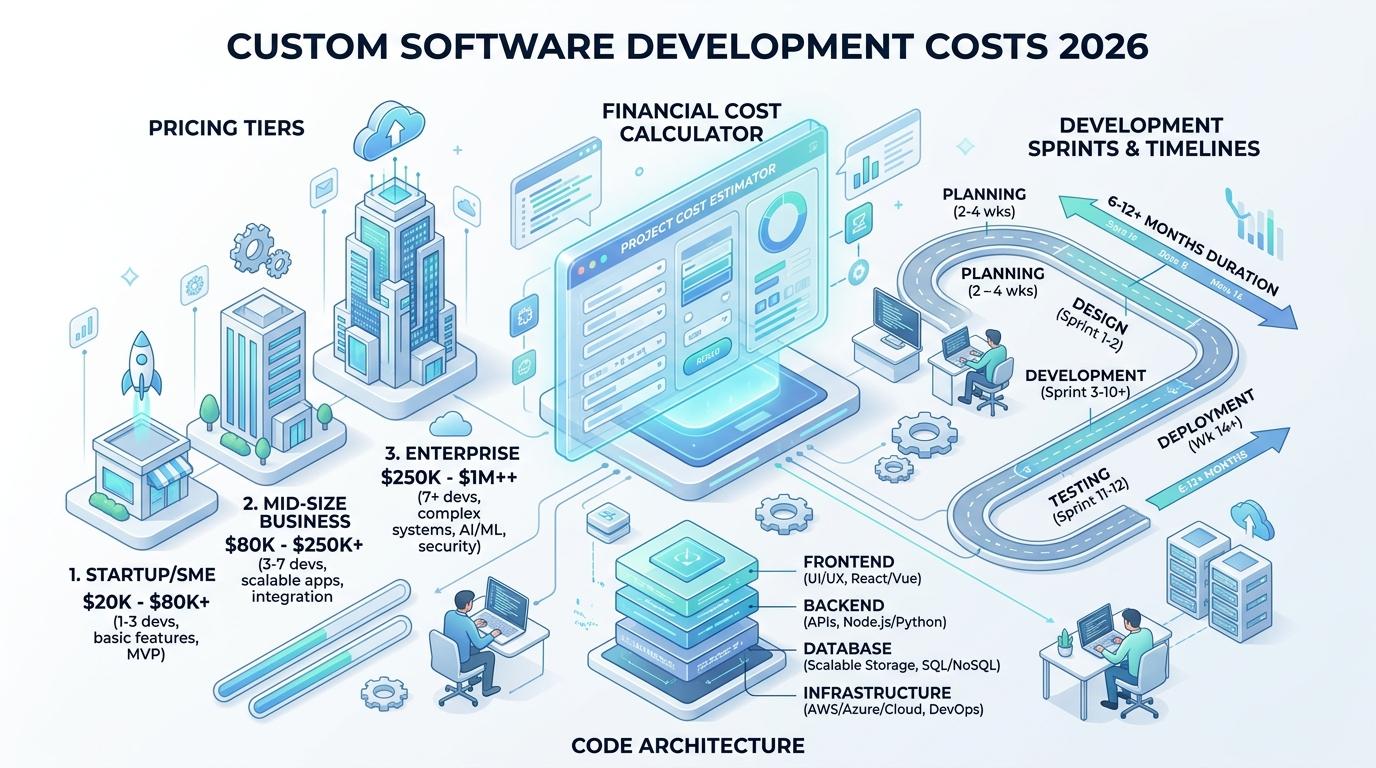
The Definitive Guide to Custom Software Development Costs in 2026
Custom software is no longer reserved for Fortune 500 enterprises with multimillion-dollar IT budgets. In 2026, companies of all sizes—from 5-person local businesses to multinational operators—invest in custom software to eliminate SaaS subscription bloat, automate operational workflows, and build unique competitive advantages.
However, software pricing remains notoriously opaque. In this comprehensive guide, we pull back the curtain on real-world software costs, pricing methodologies, and how to get maximum value for your technology budget.
Custom Software Cost by Project Tier
| Tier & Project Scale | Average Cost Range (USD) | Key Deliverables | Timeline |
|---|---|---|---|
| Tier 1: SME Mini-Tools & Publication Sites | $1,000 – $3,500 | Internal calculation scripts, customer booking widgets, 5-page publication portals, CRM webhooks | 1 – 3 weeks |
| Tier 2: Minimum Viable Product (MVP) | $5,000 – $15,000 | Core SaaS platform, user auth, subscription billing, dashboard, automated email/SMS workflows | 4 – 8 weeks |
| Tier 3: Mid-Scale Business Applications | $18,000 – $45,000 | Custom ERP/CRM systems, multi-role access, ERP integration, mobile companion apps | 8 – 14 weeks |
| Tier 4: Enterprise-Grade Systems | $50,000 – $150,000+ | Distributed microservices, high-concurrency real-time engines, AI fine-tuning, HIPAA/GDPR compliance | 4 – 9 months |
Fixed-Price vs. Time & Materials (Hourly): Which is Best?
Choosing the right billing model is just as important as the bottom-line number:
- Fixed-Price Model (Best for Well-Defined Projects): The scope, wireframes, deliverables, and timeline are locked before development starts. Ideal for MVPs, 5-page websites, and specific microservices. WebArkTec specializes in fixed-price delivery so clients never experience budget overruns.
- Dedicated Team / Sprint Billing (Best for Evolving Products): You retain a dedicated squad of developers, designers, and QA engineers billed on a bi-weekly or monthly cadence. Ideal for funded startups and scaling platforms with changing user feedback.
3 Hidden Costs to Watch Out For
- Third-Party API & Cloud Infrastructure Fees: Always account for monthly AWS/Vercel hosting, Twilio SMS, and Stripe processing fees.
- App Store Developer Accounts: Apple charges $99/year and Google charges a one-time $25 registration fee.
- Ongoing Maintenance & Security Patching: Expect to budget 15-20% of your initial build cost annually for OS updates, security patches, and library upgrades.
"Our mission at WebArkTec is to eliminate the unpredictability of custom software. We provide clear milestone deliverables, production-ready code, and full IP ownership from sprint one."
Plan Your Software Budget With WebArkTec
Whether you need a $1,000 USD SME website or a comprehensive custom enterprise web and mobile platform, review our transparent pricing tiers or schedule a direct architectural consultation with our engineering leads today.

WebArkTec Engineering Architecture Team
Technical EditorialWritten by senior cloud architects and mobile engineering leads at WebArkTec. With 10+ years delivering mission-critical applications across the UK, USA, France, Germany, and Norway, our team focuses on high-performance Next.js, React Native, and cost-effective digital engineering.
Related Guides & Insights
Deepen your technical knowledge with expert engineering articles.
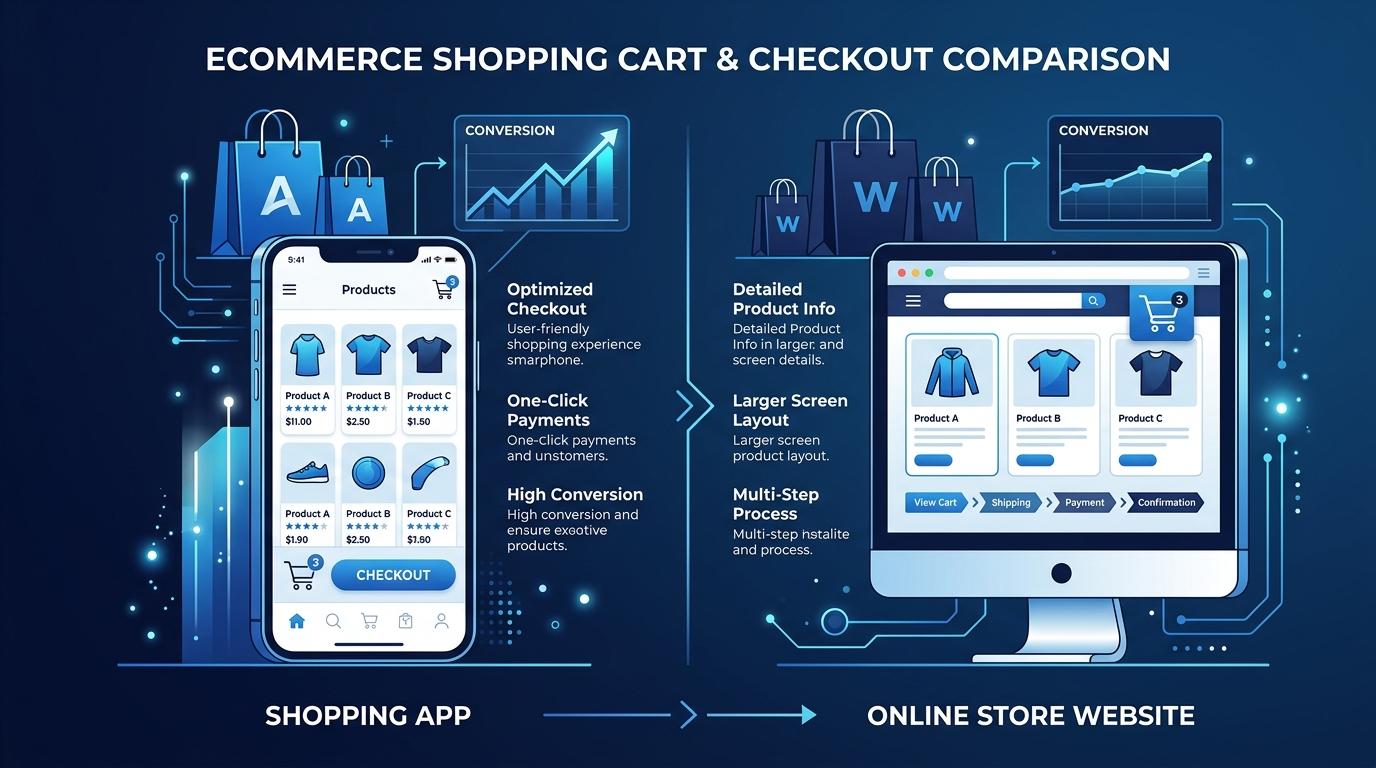
eCommerce Mobile App vs Website: Which Should You Build First?
An objective comparison for online retailers and D2C brands: should you invest in a responsive eCommerce website or launch a native mobile shopping app first?
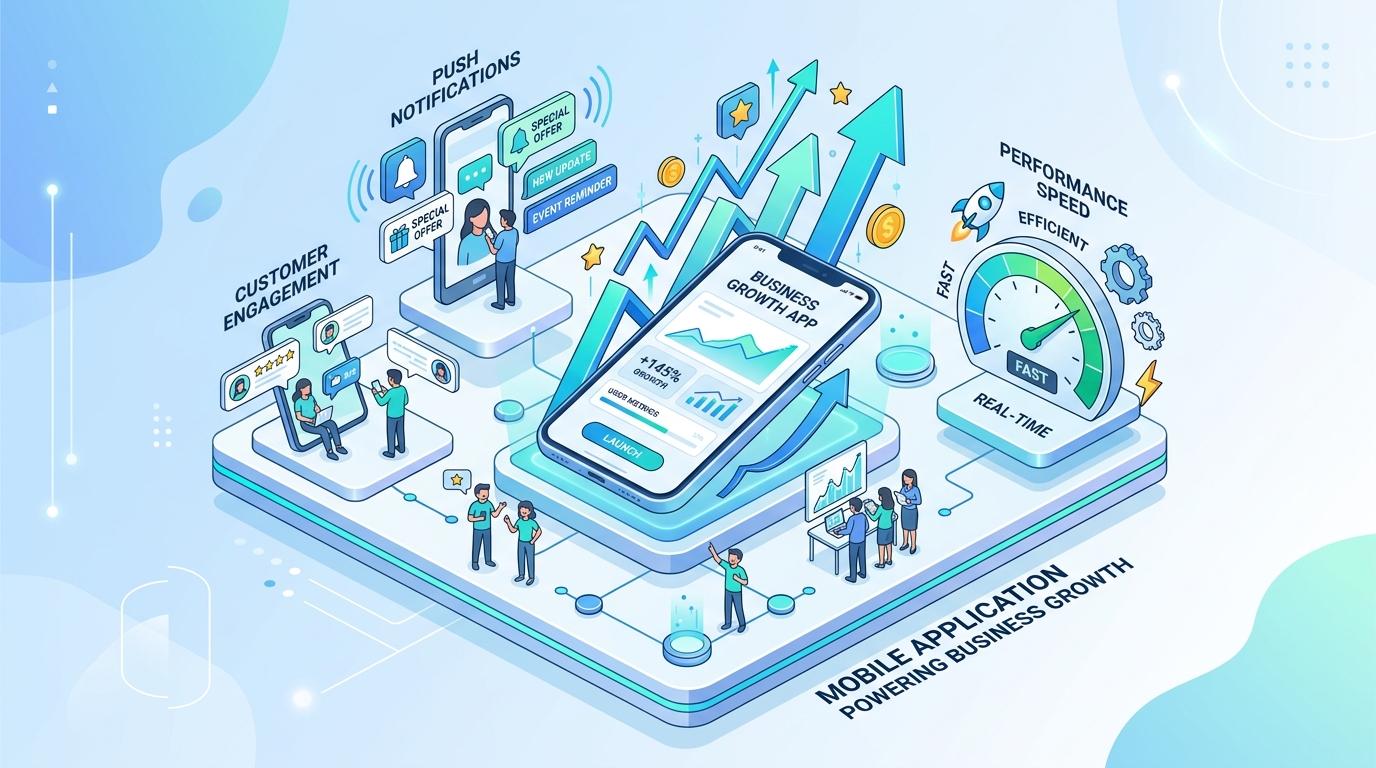
Top 10 Signs Your Business Needs a Mobile App
Are you losing customers to mobile-first competitors? Here are 10 clear indicators that your business has outgrown a responsive website and needs a dedicated mobile app.

How to Hire a Custom Software Developer in the USA
A comprehensive guide for US companies looking to hire custom software developers or agency partners. Vetting technical skills, contract structures, IP protection, and rate comparisons.
